Idle power,
put to work.
We build fast-charging stations for electric vehicles, run them on our own software, add computers that power AI, and help solar owners earn more.
In utility rebates reserved for three Colorado charging sites
Of dollars in grants written, managed and deployed by the principals at Ridgemont
Federal charging rules we checked our software against, one by one
For how our software shares one power line between chargers and computers
Four businesses. One team.
Most companies do just one of these. We do all four, so nothing falls through the cracks and more of the money stays with the project.
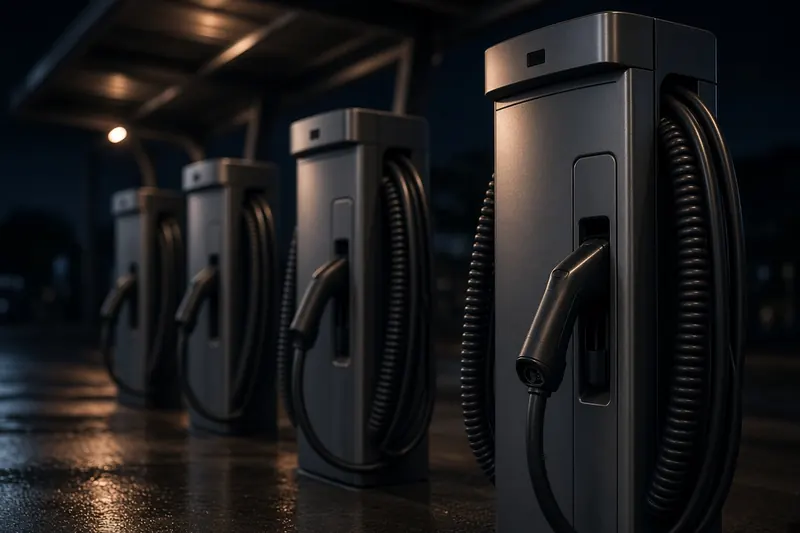
Fast chargers, from empty lot to open for business.
We find the site, line up the power and the grants, build it, and run it.
EV charging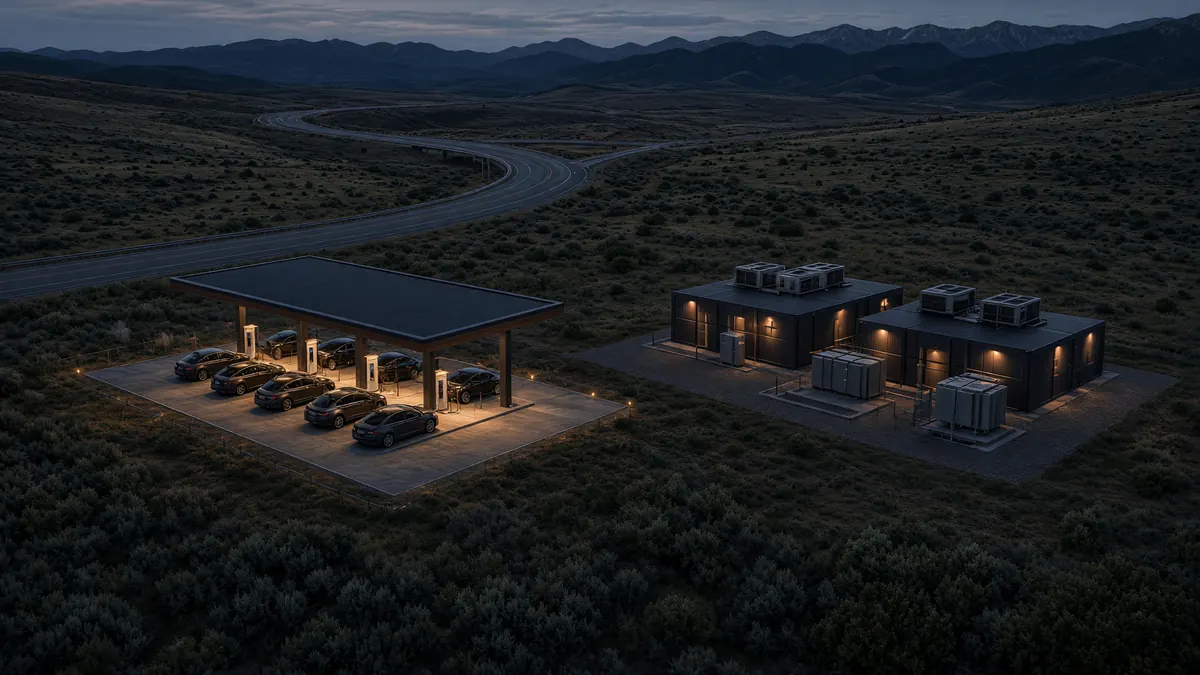
AI computers on power that's already there.
Charging stations sit mostly idle. We fill that unused power with computers that AI companies rent.
Powered sites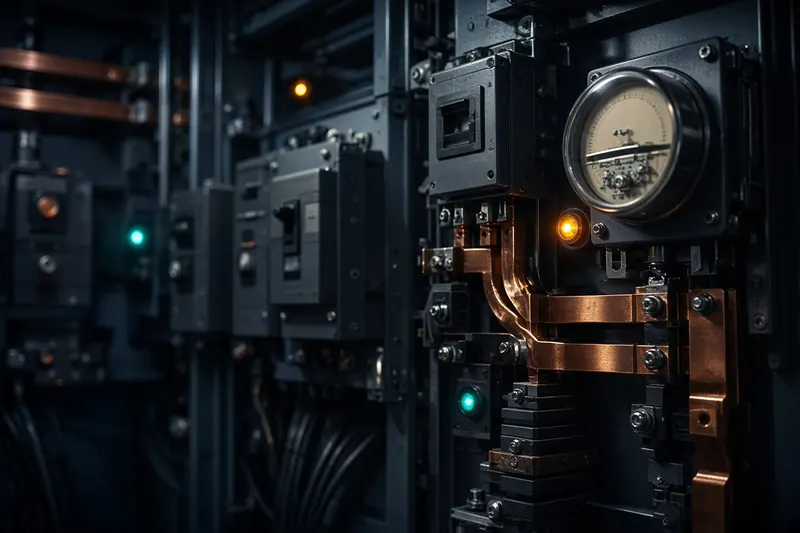
Switchback: software we built ourselves.
It runs our chargers, shares power safely between machines and files the reports the government requires. Patent pending.
Technology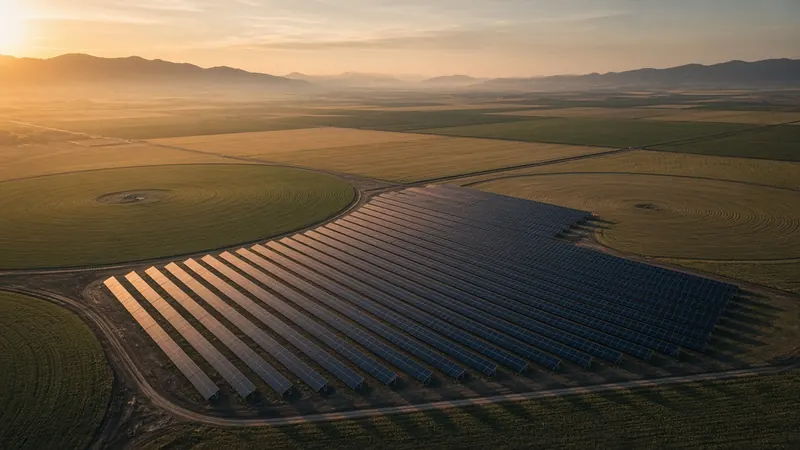
Turning solar power into extra income.
We help solar owners sell renewable energy credits, apply for USDA grants and sell tax credits.
Solar incomeTwo ways to put unused power to work.
AI needs electricity, and new grid connections take years. We find connections that already exist and sit mostly unused, then add computers.
Read the transcript
AI runs on electricity. And right now, the hardest thing to get isn't a computer chip. It's a connection to the power grid. New data centers can wait years for the utility to hook them up. Meanwhile, lots of places already have big power connections that sit mostly unused. Ridgemont finds that unused power, and puts it to work running AI computers. We do it two ways.
Path one: host sites
Picture a farm, or a local business, with more electrical capacity than it uses. We set up a compact cluster of AI servers right there, on its own meter, with fiber internet and cooling. Companies building AI rent those servers by the hour, around the clock. The site owner earns income from power they already had. Ridgemont designs it, builds it, and keeps it running.
Path two: charging-site headroom
Path two is bigger. It starts at EV fast-charging stations. A fast charger needs a huge power connection, but only while a car is plugged in. Most of the day, that connection sits nearly empty. So we fill the empty space with AI computing, at megawatt scale. Chargers always come first. When drivers need the power, the computers step back. And because the computers run all day, the cost of that big connection gets shared, so charging gets cheaper to operate. A hardware partner brings the servers. Ridgemont brings the scarce part: a live power connection, ready now, not years from now.
Side by side
So, side by side. Host sites are small and fast, using spare power at farms and businesses. Charging sites are large, using the idle headroom behind EV chargers.
What a site needs
So, what does a site need? A host site needs about a hundred to two hundred kilowatts of spare power, business fiber nearby, room for about two parking spaces, and an owner who wants to earn from it. A charging site needs a live connection with a megawatt or more of idle headroom, the utility's okay, a lease that allows computing, and controls that always put chargers first. If a site checks those boxes, it fits one of our two paths.
Two paths. One idea. The power is already there. We put it to work. Ridgemont Energy Capital.
Small: spare power at farms and businesses.
We set up a compact group of AI servers on its own meter. AI companies rent them by the hour. The owner earns money from power they already have.
- About 100–200 kW of spare power
- Fast internet nearby and room for about two parking spaces
- An owner who wants to earn from the servers
Big: unused power at charging stations.
Chargers need a lot of power, but only while a car is plugged in. We fill the rest of the day with computing. When a driver plugs in, the computers slow down.
- A connection with 1 MW or more sitting unused
- The utility's OK, and a lease that allows computers
- Controls that always put chargers first
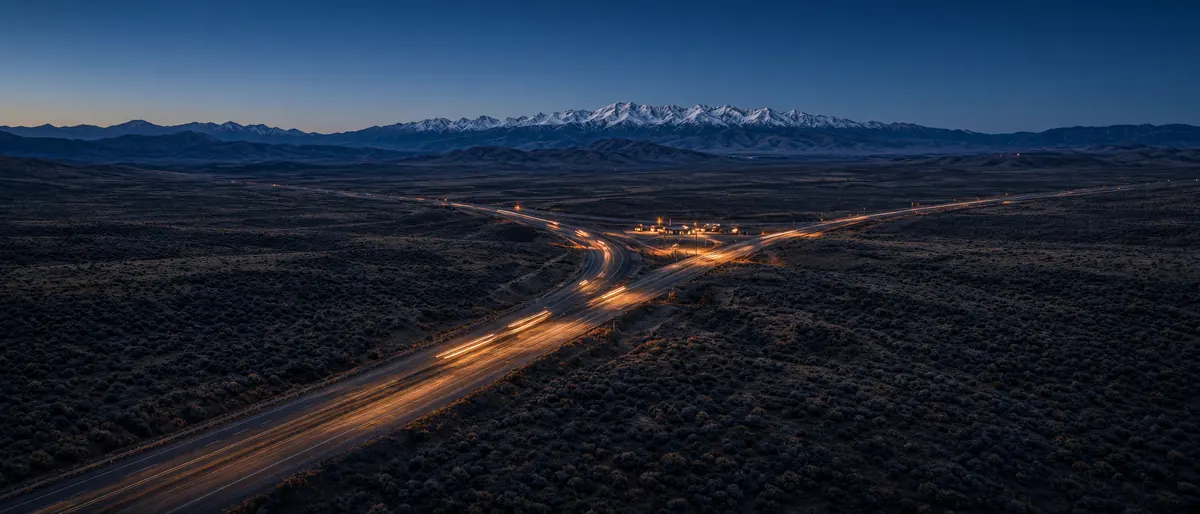
A new grid connection can take 4 to 7 years. Ours are already on.
Charging stations pay for power they barely use.
Utilities charge for the biggest burst of power a site uses, even if it happens once. Computers that run all day spread that cost out, and they step aside when a car needs to charge.
Everyone involved comes out ahead.
Each site is set up so the landowner, the utility, the computer company and the investors all win.
Keep your land. Get more customers.
You don't pay to build it. Drivers stay 20 to 40 minutes.
Better use of your lines.
Steady power use, with a hard limit you can count on.
Power you can use now.
A live connection instead of years of waiting.
Projects that report on themselves.
Our own software, live numbers and funding that follows each program's rules.
Power first. Pavement second.
Projects usually fail because of power, money or paperwork, not because nobody shows up. So we check those first.
- 01
Check the power before the land
We find out what the utility can supply first. If a site can't get power on time, it isn't a site.
- 02
Own the software
Renting someone else's network costs money on every charge. Our own software keeps that money with the project.
- 03
Stack the funding carefully
Grants, rebates and private money each have rules. We read the actual rules and layer them in the right order.
- 04
Build the rules into the software
Uptime and reports are handled by the software that runs the site, not by a spreadsheet at the last minute.
Where we are today, and where we're headed.
The bright dots are projects we're building now. Scroll to step through our goal, one year at a time: 16 sites in 2027, doubling every year to 512 by 2032.
- Fast-charging sites · Denver area (3), Biggs Junction, ORBuilding
- AI computing sites · Eastern Idaho, Kern County, CABuilding
- Headquarters · Meridian, IdahoHome base
- Future sites · where we plan to growGoal
Future dots show our growth goal, not specific sites. Exact sites are shared with partners under NDA.

Ridgemont Charging Solutions
Builds and runs highway fast-charging stations on Switchback, from the first site visit to the last government report.
Have land, spare power or solar that could earn more?
Landowners, utilities, computer companies and investors: you'll talk with an owner of the company, usually within one business day.